


The psychology behind risk why gamblers take chances in casinos
The Thrill of Uncertainty
One of the primary reasons gamblers are drawn to casinos is the thrill that uncertainty brings. The excitement of not knowing whether a bet will pay off can create a rush of adrenaline that is hard to resist. This sensation triggers the brain’s reward system, releasing dopamine and other feel-good chemicals. As players take risks, they often feel an immediate surge of excitement, fostering a cycle of behavior that encourages further gambling. The unpredictability of outcomes makes each bet feel like a new adventure, enhancing the allure of the casino environment. For more insights, check out www.neptuneplaycasinoreview.com, a resource dedicated to enhancing your gaming experience.
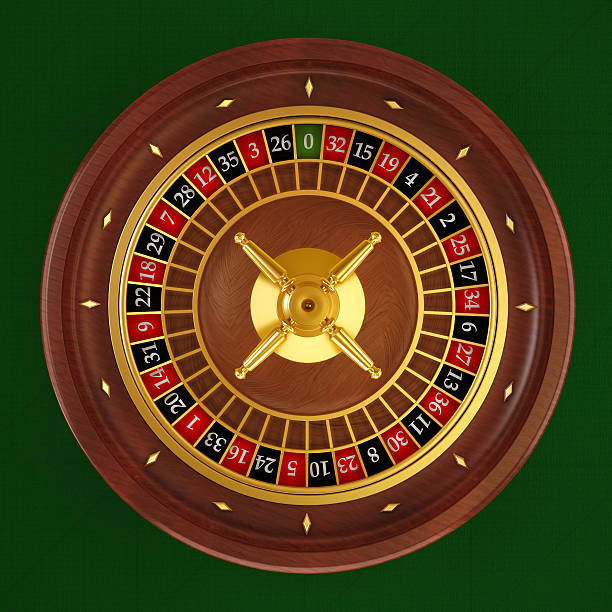
Furthermore, the emotional highs and lows associated with gambling can be captivating. Winning can lead to euphoria, while losing can result in disappointment. Many gamblers become addicted to these emotional extremes, seeking out the highs and often ignoring the lows. This emotional roller coaster can create a powerful feedback loop, where players continuously chase that next big win, despite the reality that losses are far more common. Understanding this psychological phenomenon helps explain why individuals often engage in risky gambling behavior.
The environment of a casino amplifies this thrill of uncertainty. Bright lights, engaging sounds, and the social atmosphere create an immersive experience that heightens emotional responses. Gamblers are often swept up in the collective excitement of the casino floor, which can encourage them to take more risks than they normally would in a more subdued setting. The combination of personal thrill and environmental stimulation makes casinos uniquely compelling for those willing to take chances.
The Role of Cognitive Biases
Cognitive biases significantly influence gambling behavior, often leading individuals to take unnecessary risks. One common bias is the illusion of control, where gamblers believe they have a greater influence over the outcome of a game than they actually do. For instance, players may think that their strategies or decisions can sway the outcome of games of chance, like slots or roulette, which are fundamentally random. This false sense of control can encourage risk-taking as gamblers feel empowered to make bets based on their perceived skill.
The gambler’s fallacy is another cognitive bias that affects decision-making. This occurs when individuals believe that past events will influence future outcomes in random games. A gambler may assume that after a series of losses, they are “due” for a win, prompting them to gamble even more aggressively. This misconception leads to escalating stakes, often resulting in larger losses. By understanding these cognitive biases, both gamblers and those who care about them can recognize the pitfalls that may lead to irresponsible gambling.
Moreover, social and peer influences can amplify these cognitive biases. When surrounded by others who are also gambling, individuals may feel a compulsion to take greater risks, fueled by the collective belief in winning. This social reinforcement can diminish an individual’s ability to assess risk rationally, leading to impulsive betting decisions. The interplay of cognitive biases and social dynamics in a casino creates a potent environment for risk-taking behaviors.
The Escapism Factor
For many, gambling serves as a form of escapism, allowing individuals to temporarily forget their daily stresses and responsibilities. The casino environment provides a break from reality, filled with excitement and the promise of potential wealth. This desire to escape can often overshadow rational decision-making, encouraging gamblers to take risks they might otherwise avoid. As they immerse themselves in the casino’s atmosphere, individuals may feel liberated from their everyday lives, fostering an urge to engage in high-stakes play.
The allure of escapism can be particularly pronounced for those facing personal or financial challenges. Gamblers may see the casino as a way to solve their problems or improve their circumstances. This hope can be misleading, often leading to further financial strain as individuals invest more than they can afford to lose. The escape from reality offered by gambling can be intoxicating, but it can also lead to a dangerous cycle of risk-taking and loss.
Additionally, the social aspects of gambling can enhance this escapism. Many people enjoy the camaraderie of fellow gamblers, sharing stories and experiences that provide a sense of belonging. This social connection can serve as an emotional buffer against the risks of gambling, making it easier for individuals to overlook potential negative consequences. As a result, the combination of escapism and social interaction can create an enticing but perilous environment for risk-taking in casinos.
Impact of Marketing and Casino Design
The design and marketing of casinos play a crucial role in encouraging gambling behavior. Casinos are strategically engineered to create an environment that feels welcoming yet exhilarating, drawing players in and keeping them engaged. The absence of clocks and windows, along with the use of vibrant colors and sounds, is intentional, making it difficult for gamblers to gauge time and reality. This sensory immersion can lead to longer play sessions and increased risk-taking.
Promotional strategies, such as enticing bonuses and loyalty programs, also incentivize gamblers to take chances. These marketing tactics create a sense of value that can distort players’ perceptions of risk and reward. For example, a gambler might feel compelled to take higher stakes in order to qualify for a promotion, believing it to be a smart decision. This manipulation of choice can lead to a greater willingness to engage in high-risk behaviors, further perpetuating the cycle of gambling.
Additionally, the portrayal of gambling in popular media often glamorizes the lifestyle associated with high-stakes play. Movies and television shows frequently depict gamblers as charismatic and successful, reinforcing the belief that taking chances can lead to fame and fortune. This cultural narrative shapes the perceptions and attitudes of potential gamblers, encouraging them to embrace risk as an essential aspect of the casino experience. As a result, the marketing and design of casinos effectively cultivate an environment ripe for risk-taking behavior.

Understanding Responsible Gambling
As the allure of casinos and the psychology behind risk-taking become clearer, it is essential to advocate for responsible gambling practices. Understanding the psychological triggers that drive gambling behavior can empower players to make informed choices. Education about the risks associated with gambling and the potential for addiction is crucial for fostering a safe gaming environment. Players should be encouraged to set personal limits and recognize the signs of problematic gambling behavior.
Additionally, resources and support systems should be readily available to those who may struggle with gambling addiction. Many casinos offer responsible gambling programs and self-exclusion options, allowing individuals to take proactive steps towards managing their gambling habits. Open discussions about the risks and realities of gambling can help create a healthier relationship between players and the casino environment.
Ultimately, while the thrill of risk may be an intrinsic part of gambling, awareness and education can help mitigate its darker aspects. By promoting responsible gambling practices and understanding the psychological factors at play, individuals can enjoy the excitement of casinos while minimizing potential harm. Emphasizing the importance of mental health in gaming culture is a vital step toward ensuring that the allure of casinos remains a source of enjoyment rather than a path to distress.